
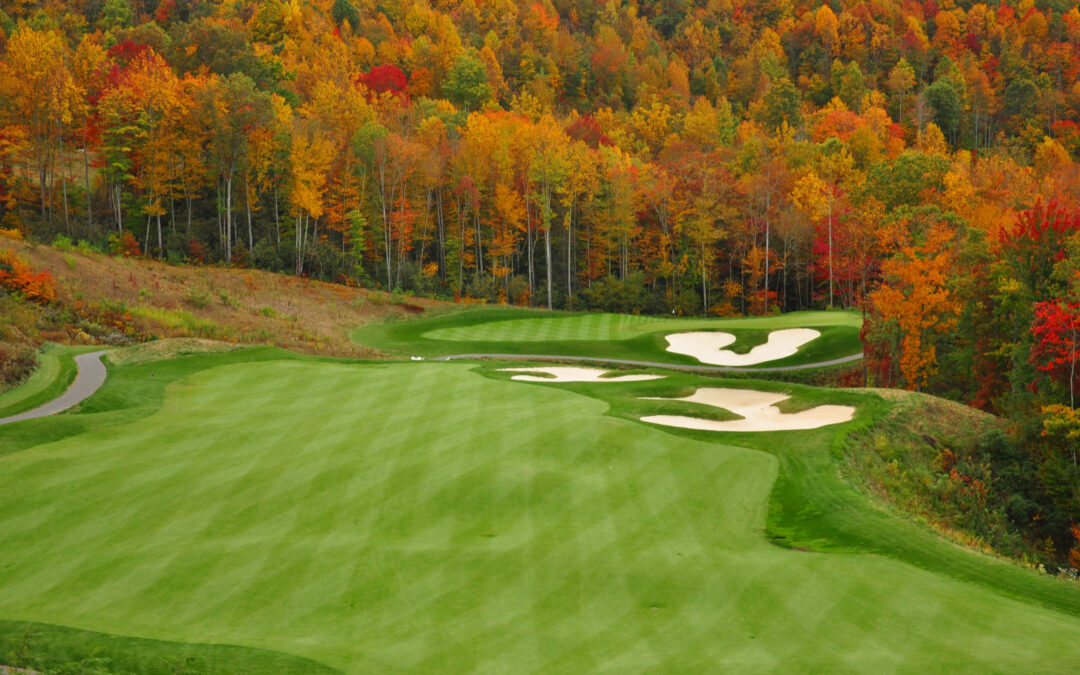
St. Davids Golf Club is a traditional private golf club with roughly 300 members and a singular focus on the game. Without the pools, tennis courts, or fitness facilities of a typical country club, St. Davids is built around one thing: the golf experience. Members come for the course, the camaraderie, and a place that has become a second home for many of them and their families.
That focus may sound simple, but running it well requires technology that performs flawlessly behind the scenes. Tee time bookings, dining reservations, tournament operations, accounting, accounts payable, and inventory all run on connected systems. When that technology slows down or breaks, the member experience slows down with it.
For years, however, the club’s IT had been held together by a rotating cast of small vendors. Each new partner promised better service, and each one settled into the same reactive cycle of fixing issues only after they surfaced. When the club’s leadership decided it was time for something different, they turned to Graffen, a managed IT services provider with deep experience in private clubs and a proactive, security-first approach.
The Challenge: A Patchwork of Vendors and Constant Firefighting
For most of its recent history, St. Davids outsourced IT support to a series of small vendors, including at one point a single individual managing the entire environment. The structure varied, but the outcome was the same. Every engagement settled into the same reactive pattern: wait for something to break, then scramble to fix it.
“We were always just firefighting issues. There was never any proactivity about trying to make sure that issues didn’t occur. It was almost just waiting for something to happen and hoping that person or that team could then solve a problem for us.”
– Dean Kandle, General Manager, St. Davids Golf Club
Beneath the day-to-day chaos sat deeper problems that leadership had limited visibility into:
- No proactive monitoring or planning for the network
- Inconsistent quality of repairs and uncertainty about whether problems were truly resolved
- Cybersecurity exposure across devices and user accounts
- No clear roadmap for aging equipment, infrastructure upgrades, or Wi-Fi coverage
The cumulative effect was a steady erosion of confidence. The club needed a partner it could trust, not another vendor it had to manage.
The Stakes: A Single Bad Weekend Could Hurt the Member Experience
For a private club, technology failures are not just IT problems. They are member experience problems.
If the network went down on a Friday night, the dining room felt it immediately. If a tee time system glitched on a busy Saturday morning, the pro shop felt it. If member data were ever compromised, the entire club, from the board to the membership, would feel it. Leadership understood that even a single rough weekend could chip away at the reputation St. Davids had built over decades.
The status quo, in other words, was not just inconvenient. It was a slow, ongoing risk to the very thing that makes a private golf club worth belonging to.
The Turning Point: A Partner Who Already Knew the Industry
When St. Davids began evaluating new IT providers, Graffen stood out for a reason that mattered to leadership. Jeff Grimes, Graffen’s President and CEO, is a lifelong golfer who has spent years working with private clubs.
That background changed the tone of every early conversation. There was no need to explain why Friday night downtime was unacceptable, why a busy weekend without functioning systems could cripple operations, or why member-facing technology had to be invisible to be successful. Graffen’s team already understood.
Once the engagement began, the broader Graffen team met with leadership and staff across multiple departments to understand how technology was used at St. Davids. They mapped the systems, the workflows, and the seasonal rhythms of the club, then built a comprehensive plan around what they learned. From the start, the relationship felt less like a vendor handoff and more like a partnership.
The Solution: A Security-First Foundation Built for Private Clubs
Graffen approached the engagement the same way they approach every long-term club partnership: assess, secure, then optimize.
The priority was cybersecurity. Initial discovery revealed gaps in the club’s security posture that had gone unaddressed for years. Graffen moved quickly to put a stronger foundation in place, including:
- Endpoint protection installed across all club devices
- Network security improvements to reduce exposure across the environment
- Cybersecurity awareness training for staff to prevent the kinds of inadvertent mistakes that lead to most breaches
- Clear documentation and reporting so leadership could speak confidently to the board about the steps being taken
For St. Davids leadership, the result was tangible peace of mind. The threat of a member data breach is one of the most significant concerns a club general manager carries. Having a documented, defensible cybersecurity posture changes that calculation entirely.
“When Graffen came in and helped us understand how we could tighten up our cybersecurity, what steps we needed to get in place, that really made me feel better. I could go back to our board and say, yes, we’ve addressed cybersecurity here, so we’re taking the steps that we need to take in order to protect your data.”
– Dean Kandle, General Manager, St. Davids Golf Club
Wi-Fi That Matches a Brand-New Clubhouse
Around the same time, St. Davids was undertaking a major clubhouse renovation. For most managed IT providers, that kind of project is a logistical headache. For Graffen, it was an opportunity.
Graffen conducted a full Wi-Fi analysis throughout the clubhouse, working alongside the construction team as another active partner in the project. They evaluated coverage room by room, identified weak points, and designed a network that would match the quality of the new clubhouse itself.
The result is full wireless coverage across the property. Members and guests can:
- Get reliable connectivity in every part of the clubhouse
- Use mobile devices throughout the building without interruption
- Bring work to the club before a round and stay productive
The benefit will compound as members spend more time in the renovated clubhouse. Strong, consistent Wi-Fi has become part of the modern member experience, and at St. Davids it is now built into the foundation of the new space rather than retrofitted afterward.
The Results: From Reactive to Strategic
The shift from the old model to the Graffen partnership has been a change in posture as much as a change in tools.
Outdated equipment has been updated or replaced. New systems are in place. Leadership now has a partner that proactively assesses the environment, identifies what needs to change before it becomes a problem, and brings forward recommendations on its own initiative.
Key outcomes for St. Davids include:
- A documented cybersecurity baseline that protects member data and supports board-level reporting
- Modernized equipment across the club, with a forward-looking replacement plan
- Full Wi-Fi coverage built into the renovated clubhouse
- A proactive IT cadence with regular review meetings instead of one-off emergency calls
- Confidence among leadership that the technology will be ready for whatever the next busy weekend brings
The biggest change, though, may be cultural. Technology at St. Davids is no longer something the team reacts to. It is something the team plans for.
Built To Evolve with the Club
Private clubs are entering a period of meaningful technology change. From AI-driven irrigation and turf management to smarter dining reservations, member scheduling, and operational analytics, the tools that support the member experience are becoming more sophisticated each year.
For St. Davids, Graffen’s role is to make sure the foundation is ready. Regular review sessions keep the IT roadmap aligned with the club’s priorities. When new opportunities emerge, Graffen helps leadership evaluate them honestly, recommend the ones that fit, and skip the ones that do not.
The model is no longer reactive support. It is an ongoing partnership built around the club’s long-term goals, with technology positioned as a strategic asset rather than a recurring problem.
Why This Partnership Works
The St. Davids engagement is a model for what a managed IT relationship can look like when both sides are committed to the long view.
Graffen brought industry-specific knowledge, a proactive process, and a team approach that involved people across the club rather than a single point of contact. St. Davids brought leadership that took cybersecurity and infrastructure planning seriously and was willing to invest in doing it right.
The result is a club that no longer worries about whether the network will hold up on a Friday night, because the entire system has been designed so that it will.
Ready To Modernize Your Club’s IT Strategy?
If your golf club is still relying on a rotating mix of vendors or reactive support, now is the time to consider a different approach. Graffen helps private clubs protect member data, modernize infrastructure, and deliver the kind of seamless member experience that defines great clubs.
Let’s start building your roadmap. Visit graffen.com/contact to begin the conversation.
Frequently Asked Questions
1. Why should private golf clubs work with a managed IT services provider?
Private clubs depend on technology for everything from tee times and dining reservations to accounting and member communications. A managed IT partner provides proactive monitoring, cybersecurity, and strategic planning so the technology never gets in the way of the member experience.
2. What are the cybersecurity risks specific to private clubs?
Private clubs hold sensitive member data including contact information, billing details, and account histories. Without strong cybersecurity controls, that data is vulnerable to breaches that can damage member trust and expose the club to regulatory and reputational risk.
3. How does Graffen tailor its approach for golf and private clubs?
Graffen’s team has deep experience with the club industry. That means understanding seasonal cycles, member-facing technology, board reporting expectations, and the operational rhythms that make clubs unique. Solutions are designed around how clubs actually work, not generic business IT templates.
4. Can Graffen support major facility projects like clubhouse renovations?
Yes. Graffen works alongside construction teams to design network infrastructure, Wi-Fi coverage, and connected systems that align with the renovation timeline. The result is technology that is built into the project rather than retrofitted afterward.
5. What does the transition from a reactive IT vendor to Graffen look like?
It begins with a thorough audit and gap analysis to understand the current environment. From there, Graffen builds a prioritized roadmap that addresses immediate vulnerabilities first, then moves into infrastructure planning and ongoing optimization.
6. How quickly will a club see results after partnering with Graffen?
Baseline improvements such as endpoint protection, security training, and infrastructure visibility typically take hold within the first few months. Longer-term gains come from reduced downtime, fewer emergencies, and a more confident technology posture across the leadership team.
7. How does Graffen support clubs as new technologies like AI become more common?
Graffen monitors emerging technology trends in irrigation, dining, scheduling, and member services and helps clubs evaluate which tools will add value. The goal is to help clubs adopt new capabilities strategically, with the security and infrastructure foundation already in place to support them.